“The world breaks everyone and afterward many are strong at the broken places. But those that will not break it kills. It kills the very good and the very gentle and the very brave impartially. If you are none of these you can be sure it will kill you too but there will be no special hurry.” Ernest Hemingway, A Farewell To Arms.
I haven’t updated recently, because there hasn’t been much to say. I have been in lockdown for an unknown number of days. Have been trying to stay sane by busying myself around the house. One long day, repeated ad infinitum.
So much, and yet so little, has occurred over the past few months. I believe the Covid-19 outbreak to be the most significant global event since WW2.
Wrote this out of my own interest- I have dotted some of my favourite memes from medical school throughout to break up the text, as this is fairly long.
Exhibit A
Introduction
Extracorporeal membrane oxygenation, or ECMO, is the use of an accessory circuit to allow for the oxygen and carbon dioxide transfer in a patient who have lost adequate ability to do so. This is similar to the bypass/heart-lung machines used during operations such as major cardiac surgery, although there are differences, notably in; cannulation sites, duration, and purpose (Punjabi, 2013). The use of ECMO is limited to six centres in the United Kingdom (NHS England Commissioning Services, 2019), and in peacetime, is traditionally used to support those with primary cardiac (e.g. acute heart failure) or respiratory pathologies (e.g. acute respiratory distress syndrome).
Since the start of 2020, the world has been engulfed in the Covid-19 pandemic. Whilst the complete pathophysiology is unknown, the most critically ill patients typically present with pneumonia, acute respiratory distress syndrome, or a sepsis-like picture. For these patients, ventilatory support is necessary but may not be adequate for stabilisation. ECMO provides a last chance for some of these patients, giving the opportunity of bridging until some restoration of function.
However, the paucity of ECMO available and the overwhelming number of critically unwell patients leaves clinicians in the unenviable position of deciding who should get ECMO in a time of high demand. So what is the evidence for ECMO?
Evidence for ECMO
Covid-19 evidence
No reported trials closed on Covid-19 and ECMO.
Here are a few examples of different trials aimed at ECMO with or without Covid-19:
ClinicalTrials.gov Identifier: NCT04341285
Early Versus Late ECMO Therapy in COVID-19 Induced ARDS (ECMO-VID) (ECMO-VID)
The severe form of COVID-19 infection is characterized and marked by severe pneumonia and the Acute Respiratory Distress Syndrome (ARDS). ARDS is characterized by the loss of pulmonary tissue compliance and severe hypoxia. The central pathophysiologic changes of COVID-19+ ARDS are dysregulated inflammation within the alveolar space and altered permeability of the alveolar-capillary barrier. The public health impact of this COVID-19+ ARDS is considerable with a large number of ARDS cases that need to be treated currently on German Intensive Care Units. To date, the associated mortality ranges between 30 to 50%. In the ongoing COVID-19 crisis cases of ARDS will still increase and pose a significant challenge to the German Medical System. Despite the emerging understanding of COVID-19+ ARDS, treatment only remains to be symptomatic using mechanical ventilation, prone positioning and in severe cases of hypoxia extracorporal membrane oxygenation (ECMO). Current evidence generated by clinical trials demonstrates that patients with ARDS should be referred to a specialized center to receive expert treatment. The use of ECMO might have a beneficial effect on overall patient outcome, yet this has not been proven by clinical trials and to date ECMO is recommended as measure of last resort in the current ARDS treatment guidelines. The timing of ECMO placement to relieve hypoxia is an important question for the treating clinician but is not well studied to date. This might also have impact on the long-term functional outcome of patients. In addition, evidence about the role of ECMO in the outcome of COVID-19+ patients might have significant impact on the referral of patients to a specialized center and is important for the treating physician. Therefore, we want to pursue the questions whether early ECMO placement is superior than the placement of ECMO as a rescue measure, and whether this could result in improved overall outcome of patients with COVID-19+ ARDS.
ClinicalTrials.gov Identifier: NCT04208126
Early Versus Late Initiation of ECMO (Extracorporal Membrane Oxygenation) Trial (ELIEO-Trial) (ELIEO)
Patients suffering acute ARDS defined according to the Berlin Definition starting from severe stage with acute onset and (i) ratio partial arterial pressure of oxygen fraction of inspired oxygen inspired oxygen fraction (PaO2/ FiO2) ≤ 200 (ii) Bilateral opacities consistent with pulmonary edema on frontal chest radiograph, and (iii) requirement for positive pressure ventilation via an endotracheal tube or non-invasive ventilation (iv) no clinical evidence of left atrial hypertension, or if measured, a Pulmonary Arterial Wedge Pressure (PAOP) less than or equal to 18 mm Hg will be treated by ECMO either within 24 hours to referral to an ARDS ECMO center or as rescue therapy after failure of conventional therapy. Outcome measures have been chosen according to robustness and sensitivity to change. They are of high clinical impact and reflect the treatment effect desired by clinicians. Primary efficacy endpoint: All cause mortality by 28-days. Key secondary endpoints are: 1) 90 day all cause mortality 3) ICU length of stay 4) duration of mechanical ventilation support 5) frequency and duration of renal replacement therapy 6) bleeding requiring transfusions in the ICU 7) SOFA score.
This trial is a prospective randomized multicenter trial that assigns patients to either a treatment for Acute Respiratory Distress Syndrome (ARDS) with an Extracorporal Membrane Oxygenation (ECMO) immediately after admission to the intensive care unit or conservative treatment. The later can undergo ECMO following failure of conservative therapy as a rescue therapy (EDIT: I will return to why this is a repeat of a stupid mistake). Patients will be included within 96h of the onset of symptoms of ARDS and will be randomized according to standard procedure. Follow-up will be performed until hospital discharge.
ClinicalTrials.gov Identifier: NCT04324528
Cytokine Adsorption in Severe COVID-19 Pneumonia Requiring Extracorporeal Membrane Oxygenation (CYCOV)
In December 2019, a series of unexplained cases of pneumonia in the city of Wuhan in China has come to light. In virological analyses of samples from the patients’ deep respiratory tract, a novel coronavirus was isolated (first named 2019-nCoV, then SARS-CoV-2). The disease spread rapidly in the city of Wuhan in early 2020 and soon beyond. On 30 January 2020, the Director-General of the World Health Organization (WHO) declared the outbreak a public health emergency of international concern, and on 11 March 2020, the World Health Organization declared the virus a pandemic. In humans, an infection with the virus can cause respiratory infections and even very severe pneumonia, which often ends fatally, especially in old and previously ill patients. Due to the novelty of the virus, the data basis for therapy is very limited. To date, there are no clinical data for an effective specific therapy, nor is there a vaccination against the virus available, so that therapy, especially intensive care treatment for very severe cases, must concentrate only on supportive treatment of lung failure and other complications. The virus is very contagious and infection results in a relevant number of deaths. Due to very uncertain data on the spread of the virus in the population, it is difficult to estimate the mortality rate – case mortality is about 4% based on known case numbers. In reports on the treatment of the first cases in Wuhan (Hubei Province, China) in January 2020, the need for intensive care treatment is described for about a quarter of the inpatient cases, 10-17% had to be ventilated invasively, and venous extracorporeal membrane oxygenation (vv-ECMO) was necessary in 2-4% of the inpatient cases. Patients requiring ECMO have an extremely high mortality rate of 83-100% in the studies described so far. In severe cases a pronounced release of vasoactive cytokines was repeatedly observed. Excessive release of these vasoactive mediators (“cytokine storm”) can result in pronounced vasodilatation and membrane leakage, which can ultimately lead to severe vasoplegic shock that is difficult to control. Ruan et al. and Zhou et al. have identified high interleukin 6 (IL-6) levels as a potential predictor of a fatal outcome when compared between survivors and patients who died of COVID-19 disease. IL-6 is also an important factor in the pathophysiology of severe septic shock and excessive immune response in hemophagocytic lymphohistiocytosis (HLH) – for both indications has been shown, that the extracorporeal adsorption of IL-6 and other vasoactive substances in a CytoSorb® adsorber (CytoSorbents Corporation, Monmouth Junction, NJ, USA) leads to a significant reduction of these cytokines in the patient blood. Clinical experience and (previously unpublished) data from our monocentric registry study show that cytokine adsorption in a CytoSorb® Adsorber can also be safely integrated into a vv-ECMO system. The aim of the study is to investigate the influence of extracorporeal cytokine adsorption on humoral inflammation parameters and patient survival under controlled conditions in patients with severe COVID-19 disease requiring extracorporeal membrane oxygenation.
EDIT: This is less about the respiratory support aspect of ECMO and more on the immuno-filtration possibilities.
ClinicalTrials.gov Identifier: NCT01677117
Clinical Studies of the Effects of Extracorporeal Membrane Oxygenation for Severe ARDS Mortality
Acute respiratory distress syndrome (acute respiratory distress syndrome, ARDS) fatality rate can be as high as 20% -41%, once progress is severe of ARDS, mortality rose to 90%, the main cause of death was refractory hypoxemia. Mechanical ventilation as the main measure to improve hypoxemia cannot correct all hypoxemia and relating complications of mechanical ventilation, mechanical ventilation in the treatment of severe ARDS has gradually been challenged. Extracorporeal membrane oxygenation(ECMO) technology matures, so that clinicians have more choices in the face of hypoxemia, and with the deepening understanding of ECMO, ECMO may become severe ARDS first-line treatment. Currently, ECMO therapy has been recognized by the majority of medical workers. Therefore, we assume that accurately grasping the ECMO indications and standardizing the implementation of treatment can significantly improve the prognosis, shorter hospital stays, lower hospitalization costs.
EDIT: This is from 2012. No data reported, no results. HMMMM.
Time for another one.
There are other trials involving Covid-19 and ECMO, but none I thought worth including. See conclusion for my view on what the essential questions we should be asking are.
Non-Covid-19 evidence for ECMO
(1)
The Conventional ventilation or ECMO for Severe Adult Respiratory failure
trial (2009) (CESAR) trial (Peek, 2009). Took place between 2001-2006.
Primary outcome measure:
Death or severe disability at 6 months after randomisation.
Inclusion criteria:
“Eligible patients were aged 18–65 years with severe but potentially reversible respiratory failure, and a Murray score(from all four variables—PaO /FiO ratio, positive end-expiratory pressure, lung compliance, and chest radiograph appearance—and FiO2=1) of 3·0 or higher, or uncompensated hypercapnoea with a pH of less than 7·20 despite optimum conventional treatment. Reversibility was based on the clinical opinion of one of three duty ECMO consultants.”
Exclusion criteria:
“Patients were excluded if they had: been on high pressure (peak inspiratory pressure >30 cm H2O) or high FiO2 (>0·8) ventilation for more than 168 h (7 days); signs of intracranial bleeding; any other contraindication to limited heparinisation; or any contraindication to continuation of active treatment.”
Mode of ECMO used:
Rescue venovenous.
Type of trial
Intention-to-treat, randomised control trial.
Results
“A greater proportion of patients in the consideration for ECMO group survived to six months than did those in the conventional management group.” No statistical significance listed.
“Time from randomisation to death was substantially shorter for patients receiving conventional management than for the allocated to consideration for treatment by ECMO (log-rank test, p=0.027).
Positives
Whilst the authors of this study suggest the proportion of patients in the ECMO group surviving to six months without significant disability is greater than those in the non-ECMO group, this is not supported because of a lack of statistical analysis. The result which can be understood with the highest confidence is the time to death- shorter in those not randomised to ECMO treatment.
Negatives
One of the ventilatory strategies used in the control group (high-frequency oscillatory ventilation) is no longer part of the standard treatment for ARDS in the UK.
Patients on ECMO in this study spent longer in critical care- yes, not a primary outcome, and so unlikely to be beyond anecdotal evidence, but for resource allocation, important to note.
Single-centre, expert opinion in terms of ‘reversibility’ of illness.
Range of different pathologies: pneumonia, ARDS, trauma (inc. surgery), other.
Not all patients got ECMO!
Implications for ECMO in Covid-19
Those undergoing conventional therapy more likely to have a shorter time to death than those undergoing ECMO- with the concomitant increase in time in critical care for those undergoing ECMO.
(2)
ECMO to Rescue Lung Injury in Severe ARDS (EOLIA trial). (Combes, 2018).
Primary outcome measure:
Mortality at 60 days.
Inclusion criteria:
If met: “American–European Consensus Conference definition for ARDS,if they had undergone endotracheal intubation and had been receiving ventilation for less than 7 days, and if they met disease severity criteria: (including a ratio of partial pressure of arterial oxygen [Pao2] to the fraction of inspired oxygen [Fio2] of <50 mm Hg for >3 hours, a Pao2:Fio2 of <80 mm Hg for >6 hours, or an arterial blood pH of <7.25 with a partial pressure of arterial carbon dioxide [Paco2] of ≥60 mm Hg for >6 hours, with the respiratory rate increased to 35 breaths per minute and mechanical ventilation settings adjusted to keep a plateau pressure of ≤32 cm of water) despite ventilator optimisation (defined as a fraction of inspired oxygen [Fio2] of ≥0.80, a tidal volume of 6 ml per kilogram of predicted body weight, and a positive end expiratory pressure [PEEP] of ≥10 cm of water). “
Exclusion criteria:
“An age of less than 18 years; receipt of mechanical ventilation for 7 days or longer; pregnancy; a weight of more than 1 kg per centimeter of height or a body mass index (the weight in kilograms divided by the square of the height in meters) of more than 45; longterm chronic respiratory insufficiency treated with oxygen therapy or noninvasive ventilation; cardiac failure resulting in venoarterial ECMO; a history of heparin induced thrombocytopenia; cancer with a life expectancy of less than 5 years; a moribund condition or a Simplified Acute Physiology Score (SAPSII) value of more than 90 (on a scale from 0 to 163, with higher scores indicating greater severity of illness) on the day of randomisation; a current non–drug induced coma after cardiac arrest; irreversible neurologic injury; a decision to withhold or withdraw life sustaining therapies; an expected difficulty in obtaining vascular access for ECMO in the femoral or jugular vein; or a situation in which the ECMO device was not immediately available.”
Mode of ECMO used:
Rescue venovenous.
Type of trial:
Randomised control trial with cross-over: control group could go on ECMO if deterioration (specific criteria).
Results
“At 60 days, 44 patients (35%) in the ECMO group and 57 (46%) in the control group had died (relative risk, 0.76; 95% confidence interval [CI], 0.55 to 1.04; P = 0.09)”
Trial stopped early due to non-superiority.
Positives
Specifically focused on ARDS. Multi-centre, randomised. High number of patients allocated to ECMO group received it.
Negatives
Similar to CESAR, ‘rescue’ ECMO. Larger question-is this is the best way to use ECMO?
Those with large BMI (>45) excluded from study. Obesity appears to be a risk factor for severe Covid-19 syndrome. Can we ethically ignore those >45 BMI for ECMO because of exclusion from studies?
No patients with prolonged period of mechanical ventilation before rescue ECMO.
ARDS primarily due to bacterial infection (45%) rather than viral (18%). Are there implications for differing pathophysiologies?
Cross-over group may have limited any statistical analysis.
Implications for Covid-19
This trial was stopped early due to non-superiority of rescue ECMO in severe ARDS. It is difficult to justify further interpretation as the one-way crossover (from control to ECMO) is highly likely to have concealed any reliable analysis either way.
A classic
(3)
Extracorporeal membrane oxygenation for Severe Acute Respiratory Distress Syndrome and Posterior Probability of Mortality Benefit in a Post Hoc Bayesian Analysis of a Randomised Clinical Trial. (Goligher, 2018)
Primary hypothesis:
Bayesian analysis of the EOLIA trial with various degrees of scepticism to estimate posterior probability of reduced mortality.
Inclusion criteria:
N/A
Exclusion criteria:
N/A
Type of trial:
N/A
Mode of ECMO:
N/A
Results:
Under all categories of scepticism, the probability of a risk reduction in the EOLIA trial (mortality <1) ranged between 88-99%.
Positives
Range of different assumptions of benefit of ECMO.
Bayesian analysis allows for different approach than that of the frequency based original trial.
Negatives
Cannot properly generate prior assumptions as this is after EOLIA trial publication.
Still retains the poor quality of data from the original EOLIA trial (e.g. cross-over group).
Are the test statistics worth anything clinically or is this a variant of data fishing?
Implications for Covid-19
Implication of a risk reduction in the EOLIA trial. Relying on re-analysis of original data is unreliable and in truth suggests little, other than doing a RCT without a cross-over group would be beneficial.
(4) Venovenous extracorporeal membrane oxygenation for acute respiratory distress syndrome: a systemic review and meta-analysis (Munshi, 2019).
Primary hypothesis:
“The primary outcome was 60 day mortality across the randomised controlled trials.”
NB// these trials are the EOLIA and CESAR trials above.
Inclusion criteria:
“We included randomised controlled trials and observational studies with matching in which mechanical ventilation plus venovenous ECMO was compared with mechanical ventilation and the institution’s care algorithm for refractory hypoxia in adults with ARDS (including treatments such as inhaled nitric oxide or high frequency oscillation), and in which mortality at any time was reported. When more than one extracorporeal life support modality was used for respiratory support, we included the study if venovenous ECMO was used more than 70% of the time.”
Exclusion criteria:
“We excluded studies in which the main focus was venoarterial ECMO, a modality that provides cardiopulmonary support and was used historically for ARDS, and those in which use of extracorporeal CO2 removal was assessed.”
Type of trial:
Systematic review.
Mode of ECMO:
Venovenous.
Results:
“Use of ECMO in randomised controlled trials was associated with a significant reduction in 60day mortality (73 [34%] deaths among 214 patients in the ECMO group vs 101 [47%] deaths among 215 patients in the control group; RR 0·73 [95% CI 0·58–0·92]; I2 0%; p=0·008; “
Positives
Used data from the only two RCTs available and pooled patients which underwent ECMO. Suggested significant reduction in patients undergoing ECMO for ARDS.
Negatives
Having pooled data from patients undergoing ECMO, there is a risk of missing crossover and dropout effects from both trials, which themselves have flaws (see above).
The programming phrase, “Garbage In, Garbage Out” comes to mind. The EOLIA and CESAR trials are not the strongest, and so any systematic review will inherit their sins.
Implications for Covid-19:
There are more systematic reviews of ECMO for respiratory failure than randomised clinical trials, and this is one of them. This suggests, after pooling patients undergoing venovenous ECMO, there is a survival advantage at 60 days.
(5) Extracorporeal membrane oxygenation for severe Middle East respiratory syndrome coronavirus (Alshahrani, 2018).
Primary outcome:
“In-hospital mortality.”
Inclusion criteria:
“Patients were candidates to receive ECMO if they have met the following criteria:
1. Laboratory-confirmed MERS-CoV according to the WHO criteria, which use real-time RT-PCR, assays targeting the up, Orf1a, or Orf1b regions of the MERS-CoV genome from nasopharyngeal swab, tracheal aspirates, or bronchoalveolar lavage (BAL).
2. Were admitted to the ICU and on invasive mechanical ventilation.
3. Met ECMO initiation criteria:
a. Severe respiratory failure defined as a PaO2/ FiO2 < 100 on FiO2 > 0.9 and/or
b. Murray score 3–4 despite optimal care for 6 h or more and/or
c. CO2 retention on mechanical ventilation despite high P-plat (> 30 cm H2O)”
Exclusion criteria
“ a. mechanical ventilation at high settings (FiO2 > 0.9, P-plat > 30) for ≥ 7 days
b. recent central nervous system hemorrhage
c. existence of non-recoverable terminal disease”
Type of trial:
Retrospective cohort.
Mode of ECMO:
Rescue venovenous.
Results:
“Compared to the control group, the ECMO group had significantly lower in-hospital mortality (65 vs. 100%; P = 0.02).”
Positives
Implied lower hospital mortality.
Negatives
Retrospective.
Different treatments received (ECMO given more ribavarin and interferon).
High risk of selection bias- all the non-ECMO patients died!
MERS not Covid-19.
None of the patients received prone ventilation- standard of care in the UK.
Implications for Cdvid-19
MERS is also a coronavirus, albeit it with significant differences in clinical presentation and presumed pathophysiology. This trial adds very little, because of its format, the standard of care, the selection biases, and the low level of this confidence this conveys.
(6) Referral to an Extracorporeal Membrane Oxygenation Center and Mortality Among Patients With Severe 2009 Influenza A (H1N1) (Noah, 2011).
Primary hypothesis:
“To compare the hospital mortality of patients with H1N1-related ARDS referred, accepted, and transferred for ECMO with matched patients who were not referred for ECMO.”
Inclusion criteria:
Same as CESAR trial.
Exclusion criteria:
“Non–ECMO-referred patients were de- fined as adults with suspected or con- firmed H1N1-associated respiratory failure who were not referred, accepted, or transferred to 1 of the 4 ECMO centers. Potential non–ECMO-referred patients were excluded if they were (1) not suitable for ECMO (age 16 years or 70 years, not mechanically ventilated, FIO2 never 0.7 and/or ratio of PaO2 to FIO2 never 100 mm Hg, or having chronic respiratory organ dysfunction sufficient to severely impair activities of daily living), (2) treated with ECMO at an undesignated center, (3) referred but not accepted for transfer for ECMO due to a presupposed lack of benefit, (4) missing data either for matching or for the primary outcome”.
Type of Trial:
Retrospective observational.
Mode of ECMO:
Unlisted but presumably rescue venovenous.
Results:
“In a cohort of 80 patients with severe H1N1-related ARDS who were referred, accepted, and transferred to UK ECMO centers, 27.5% died before hospital discharge. Hospital mortality for matched non–ECMO-referred patients was approximately twice that of the ECMO- referred patients. This result was consistent across 3 alternative matching methods and robust to a priori– determined sensitivity analyses, including restriction to non–ECMO-referred patients treated in critical care units with characteristics generally associated with good outcomes.”
Positives:
Implied lower mortality.
Good matching with the use of national longitudinal patient data.
Negatives:
Retrospective.
Observational study.
Patient matching a problem: “ECMO-referred patients were younger, more likely to be currently or recently pregnant, had received longer duration of mechanical ventilation including use of alternative ventilation strategies, and had worse respiratory physiological characteristics.”
Implications for Covid-19
Difficult to take any strong conclusions from this data. Suffers from being an observational study. Suggestion of lower mortality but questionable how reliable this is.
I will save other memes for later posts.
Conclusion
There is not a huge amount of evidence for the use of ECMO in any form of ARDS, and none specifically for Covid-19. The data from non- Covid disease in my opinion only has one reliable piece of data from the two RCTs: that time to death in hospital is longer in those undergoing ECMO treatment (see CESAR trial notes above). The EOLIA trial is effectively a failure due to the insistent of a cross-over group being included. Other data is either observational, and thus unreliable, or one of the many systematic reviews, suffering therefore from the problems of the original trials.
The Goligher paper raises something of interest: it is likely that ECMO provides a survival advantage. After all, the absence of evidence is not evidence of absence. What is required is a well-designed RCT to provide some sort of evidence going forward. There are a few of these going forwards, but notably… another cross-over group with rescue ECMO.
What would an ideal ECMO trial for Covid-19 look like?
Multicentre, randomised control trial, with matched cohorts. Primary outcome ideally something like death. Strict inclusion and exclusion criteria. No crossovergroup!
Would be useful to a trial comparing survival in ARDS (inc. Covid-19 and non-Covid) on ECMO v standard ventilatory strategies. I cannot emphasise enough how much a one-way crossover group should not be used.
Other points
Timing is an issue in these studies- predominantly rescue ECMO (i.e. late). Is there a benefit to giving ECMO earlier to selected patients? Might increase probability and reduce time for recovery of respiratory function- see German EOLIO trials.
ECMO is a costly and expensive process, both financially and in terms of labour. In times of shortage, can and should this be scaled up?
Final thoughts
I am just an interested amateur, so it is more than possible I have missed some important trial, or piece of evidence, that influences the critical care experts. I do think there is some value in pointing out the obvious: for ARDS, there is no good evidence to suggest ECMO gives a survival advantage. Covid-19 is likely to give us the highest number of ARDS patients (EDIT: I know it might be a different form of ARDS) and hence we could try and get some reliable evidence out of this hell. If anyone’s actually got this far, bravo and thank you. Any comments appreciated.
References
Punjabi, P. and Taylor, K., 2013. The science and practice of cardiopulmonary bypass: From cross circulation to ECMO and SIRS. Global Cardiology Science and Practice, 2013(3), p.32.
NHS England commissioning services (CITE HERE)
Peek, G., Mugford, M., Tiruvoipati, R., Wilson, A., Allen, E., Thalanany, M., Hibbert, C., Truesdale, A., Clemens, F., Cooper, N., Firmin, R. and Elbourne, D., 2009. Efficacy and economic assessment of conventional ventilatory support versus extracorporeal membrane oxygenation for severe adult respiratory failure (CESAR): a multicentre randomised controlled trial. The Lancet, 374(9698), pp.1351-1363.
Combes, A., Hajage, D., Capellier, G., Demoule, A., Lavoué, S., Guervilly, C., Da Silva, D., Zafrani, L., Tirot, P., Veber, B., Maury, E., Levy, B., Cohen, Y., Richard, C., Kalfon, P., Bouadma, L., Mehdaoui, H., Beduneau, G., Lebreton, G., Brochard, L., Ferguson, N., Fan, E., Slutsky, A., Brodie, D. and Mercat, A., 2018. Extracorporeal Membrane Oxygenation for Severe Acute Respiratory Distress Syndrome. New England Journal of Medicine, 378(21), pp.1965-1975.
Goligher, E., Tomlinson, G., Hajage, D., Wijeysundera, D., Fan, E., Jüni, P., Brodie, D., Slutsky, A. and Combes, A., 2018. Extracorporeal Membrane Oxygenation for Severe Acute Respiratory Distress Syndrome and Posterior Probability of Mortality Benefit in a Post Hoc Bayesian Analysis of a Randomized Clinical Trial. JAMA, 320(21), p.2251.
Munshi, L., Walkey, A., Goligher, E., Pham, T., Uleryk, E. and Fan, E., 2019. Venovenous extracorporeal membrane oxygenation for acute respiratory distress syndrome: a systematic review and meta-analysis. The Lancet Respiratory Medicine, 7(2), pp.163-172.
Alshahrani, M., Sindi, A., Alshamsi, F., Al-Omari, A., El Tahan, M., Alahmadi, B., Zein, A., Khatani, N., Al-Hameed, F., Alamri, S., Abdelzaher, M., Alghamdi, A., Alfousan, F., Tash, A., Tashkandi, W., Alraddadi, R., Lewis, K., Badawee, M., Arabi, Y., Fan, E. and Alhazzani, W., 2018. Extracorporeal membrane oxygenation for severe Middle East respiratory syndrome coronavirus. Annals of Intensive Care, 8(1).
Noah, M., Peek, G., Finney, S., Griffiths, M., Harrison, D., Grieve, R., Sadique, M., Sekhon, J., McAuley, D., Firmin, R., Harvey, C., Cordingley, J., Price, S., Vuylsteke, A., Jenkins, D., Noble, D., Bloomfield, R., Walsh, T., Perkins, G., Menon, D., Taylor, B. and Rowan, K., 2011. Referral to an Extracorporeal Membrane Oxygenation Center and Mortality Among Patients With Severe 2009 Influenza A(H1N1). JAMA, 306(15), p.1659.
To some extent, I have no interest in the current machinations or arrangements behind the scenes that germinate the next announcement or action by government. I believe these are less consequential than the generic decision making process, and its subsequent outputs: the choices made by government and the civil service. As for the inputs, those that provoke outbursts of political activity- in peacetime- seem to be, in all honesty, without significant relationship to the lives of the majority of this country. What have the great minds of central London become upset about now? What strikes fear/anger/despair into the beating heart of SW? What is on the front pages? Who wants a promotion to minister/to make a name for themselves/revenge for being ignored in a honour’s list?
Disapproving looks
We are not floating along anymore. The UK can no longer recline and allow others to make the most influential decisions for them: be that in Washington, Brussels, Beijing, or anywhere. We have been cosy and happy, content to coalesce into the wake churned up by those actually motoring somewhere. The US hegemony which has prevailed for the great majority of the post-WWII period is a comfort blanket for the UK. We have not struck out on our own- how could we? Ever since Suez, we have been toothless cats in a decrepit zoo. Our decision making structure is unaltered in its apparatus since I don’t know when.
Send out the clowns
We have a government, made from a collection of MPs able to command the confidence of the House of Commons. From this, the Cabinet, made up of ministers, is selected. This is done typically by the Prime Minister, usually the leader of their party. The Cabinet meets regularly to inform, discuss, and decide upon the direction of government. Outside of these elected officials, sit the structures of the civil service and special advisors (and many others), forming the supportive structure enabling decisions to become action- in theory. At the top of this whole pyramid- a short distance down the Mall- sits the Queen, who while mainly ceremonial now, in theory retains the ability to do as she pleases and command others to do so. With me so far? Again, I will stress, I have no interest in getting into the arcane detail of how a bill gets its third reading etc… that is not the point of what I am trying to say here.
The output of the UK government can vary, but unique amongst any body in the UK is its ability to construct and send forward laws to the Commons, and ‘control’ of the machinery of the civil service.
(If anyone actual reads this, thank you!)
Now, to today: Input: Covid-19. Output: A mess.
Why?
Here is a quick list of things which sprung to mind:
The structure of decision making– centralised, by committee, with ‘established’ ways of doing things- not up to the task of delivering good results fast.
Institutional memory– when was the last time Britain faced a crisis on this scale? Previous recessions/military excursions/other situations- we’ve either ballsed up, badly OR have had our hand held throughout. When was the last time we acted unilaterally? Falklands maybe? No lessons have been learnt since then. Weak people in power decayed structures. The ‘Red Queen’ hypothesis strikes back: you must evolve just to keep up. How quick is evolutionary time for institutions?
Incentives and selection pressures– Goodhart’s law writ large, and good people making bad decisions because they are incentivised to. In British politics, the incentives are not good decisions. They are… Well, you tell me. I’m not sure. Maybe media attention? Public profile? Very rarely is national interest front and centre. I am possibly being too cynical on the incentive front, but there we go. The selection pressures- well, to some extent, the same applies. All this does is generate a collection of workers making bad decisions with no feedback to adequately adjust to them. This goes for the civil servants, the MPs, the Lords, the whole damn kaboosh. Unfit for purpose.
The individuals- the ruling class of British society – that is to say, the MPs and Lords- is largely drawn from a similar strata of society. Most of the people that become MPs have had similar upbringings, backgrounds, and live similar lives. Predominantly from London or its satellite shires, growing up with upper middle class or middle class parents, a great deal went to public or private schools, followed by humanities degrees at Oxbridge or elsewhere. Most worked in, unsurprisingly, jobs linked to the subjects they studied, or in associate spheres- media, journalism, consultancy, PR, or in politics itself. A few were lawyers, and likewise, some might have done similar jobs requiring actual expertise- a very small minority though. I don’t have the time, or quite frankly the patience, to go through enough data to quantify this. So I will be stubborn, ignorant, and declare now this is my own rough approximation, and I am certain there will be exceptions. It’s my rant and I can cry generalise if I want to.
I have no idea how one becomes a member of the House of Lords, as it seems to be the site for the recurring appearances of failed former MPs resurrecting themselves on a healthy wine allowance, and very little else. It certainly seems even less open to the general public than the Commons. Supposedly, the Lords scrutinise and debate legislation, sending it back to the Commons if they are unhappy with it. I would question how often this scrutiny is applied, and how often political allegiances or other flimsy tints alter the behaviour of the Lords. If its members actually bother to turn up.
The problem with all this limited societal input into its representative members is manifold: the two major problems I would like to highlight are firstly, the inherent disconnect between the populace and its representatives, in terms of wealth, life experience, outlook, and other contexts. This leads to conflict, partly because I feel MPs and Lords view themselves as enlightened guardians- mistakenly assuming they have expertise beyond the stupid voters. I am sure the environments these people grow up influences their particularly snooty worldview (as it does us all, let me be clear- I’m not free from snobbery and I’ve certainly had more opportunities than most). See Brexit for the consequences of this sort of disconnect, and the anger at the most recent election as two convenient examples for my point. (NB// I am not getting involved in the Brexit debate or any party politics).
Secondly, the lack of true expertise and important transferable skills. As seen currently, and no, I am not expecting every MP to be an epidemiologist/virologist, but I would like them to have some degree of literacy in the scientific process, and a degree of understanding of the confidence this gives in results. See C.P. Snow’s ‘Two Cultures‘ for an excellent essay on the continuing problem of basic dysfunction in politics and the humanities. I think, to some extent, part of the basic problem with politics is that political philosophy is inherently divorced from empirical studies of any merit. Any fool can dream up an explanatory model for how the world is, or what creates x, y, or z. The great thing about science, is you can test those against null hypotheses! Obviously it is not perfect and there are still major issues, BUT it is still hugely better than the untested. Yes, I am aware not everything can be tested empirically. Yes, I know science does not work as idyllically as this. However, if all you know is untested stories (for want of a better word) about how and why people interact, with no evidence, or indeed, reliable predictions about the future, how are you supposed to deal with people who do actually have some expertise?
The fourth estate: the media in this country, by and large, in my opinion, is drawn from the same ruling class background as Parliament and the civil service. It suffers from similar failings- it does not hold politicians to account, it fails to understand facts, it frequently mistakes noise for knowledge, it makes unreliable predictions, and so on and so forth. Is there a more cursed job title than ‘political commentator’? These people do not understand science at all, and understand other things even less. The ‘higher-brow’ broadsheets are just as bad, if not worse, than the red tops. At least ‘The Sun’ doesn’t hide its nature.
Hide The Guardian’s ‘Opinion’ site or you will look like this.
Where is the messiness?
You might look at the actions of the UK government, in their daily briefings and arrangements around lockdown etc, and question where exactly the mess I allude to is. My overarching point is this: in the largest global crisis since WWII, the decision making in Britain has been left to outside experts. The science is guiding the decision making. Good, I hear you say, surely that’s how it should be? I agree! We have vast amounts of data available everywhere, and we have individuals and organisations capable of turning data into information. But largely, this occurs outside of the Palaces of Westminster, and this, really, is my point. The elected politicians are not at the wheel. The civil servants are not at the wheel. No-one body truly is. The nominal power lies in an unwell Prime Minister and an elderly head of state (who deserves better than to be pestered). The structure of government has failed in a crisis, and is reliant on outsiders to drive the process forward. We see now the non-essential aspects of the convoluted British state: the Lords, who are not experts, and have nothing to oversee but an expenses list; most MPs, who are not experts or even trying to become them, content instead to repeat platitudes and plot their next moves; decision making paralysed by a lack of understanding or accountability; institutions feeble and bed-bound; chickens of poor selection and terrible incentives coming home to roost. The UK is largely getting through this pandemic despite the political class, not because of them. The divide between the estate on the Thames and the rest of this green and pleasant land has publically widened over the past few years, but now we see them for who they are. Naked emperors. Not guardians of power, efficient, functional, influential, but lost and ineffective, buffeted by forces beyond their ken or control. Whilst I won’t dive into the history, it is my belief this state of affairs trails back at least a hundred years, worsened since WWII by a lack of primacy on the global stage. Well we’re back to something looking like Westphalian politics now, and as my grandad would say:
Fur coat, no knickers.
What is the point in having an expensive, centred, labyrinthine state if, when push comes to shove, it fails in its fundamental duties? Yes, this is an extraordinary time. Yes, there is an argument for the state having other functions during normality- but is there any evidence to suggest it is good at those? I do not intend to come across as a ‘Don’t step on me!’ libertarian- far from it- I believe the state needs reform. Drastic reform. There is not necessarily a need to throw everything away, but certainly, this cannot continue. We may not be so lucky (I know- ‘lucky‘- but really!) the next time some global event arrives. We can, and should, do more to change the fundamental way British governance occurs. I would hate to be a scientist trying to advice government- the sheer ignorance must be like banging your head against a concrete wall.
No doubt, there will be a public inquiry when this is all over. Some octogenarian will give the media a page to digest, missing out the complexities and branching histories so important to understanding anything, and the general public will be given no other option than to accept it. There will be no real consequences for those who have proved themselves to be complete and utter imbeciles. Why would there be? This is Britain. We don’t do that here.
I must admit I am influenced by Dominic Cummings and the little I have read of his thoughts. I think it is more likely he is the public face of a great deal of private thoughts about the way this country is run. I do also appreciate there are people working hard, with the right ideas, and I feel very sorry for them. It’s not their fault.
I am angry, and I am frustrated, at what I have seen from Britain’s response. We will probably muddle through this, but just imagine what a more functional state would’ve done. We have the expertise here, we have outstanding groups of people outside of government- we require serious change to succeed in an evolving and challenging world. Look at the influence technology has on economics and society (would particularly recommend the work by Frey and colleagues in Oxford) as a side note.
Very blunt from the CQCImmunology is highly practical This aged like milk.
It is becoming increasingly difficult to pick apart the specific days over the past few days. I feel this is due mainly to the most major event of last week: lockdown. On Monday, my girlfriend (Tessa), my dad, my sister, and myself all watched on BBC1 at 8:30 as Prime Minister Boris Johnson asked us to stay inside, limiting ourselves to one walk/exercise a day and a single trip to the shops, and essential journeys only. This lasted for a week before Tessa had to go back to her flat as she is working.
Boris Johnson has tested positive for Covid-19 and is isolating due to symptoms.
NHS Nightingale has been announced, and built, in the past week or so. 4,000 ICU beds.
Layout of how the NHS nightingale will look
On Friday the 27th, at 12:03, I became a doctor! Or rather, I passed all my medical exams. Usually this would result in qualifying and starting work in August, but I think the requirement for medics is going to force the hand of the authorities, so I am expecting to start very shortly.
What else has happenedthis weekover the past days?
Lots of noise about chloroquinine and azithromycin. Turns out the french microbiologist pushing this is effectively a fraud, with a long history of deceit and misrepresentating science. Infuriating. Excellent piece on it here:
In all honesty, it feels like living through a very strange dream. Time has lost some integral markers, in a way much like the 26-30th December usually does. The days rotate by. Everything seems to be in stasis, realigning outside of the sphere of view. I speak to friends stuck inside, finding ways to keep themselves entertained. I, for one, share that struggle.
I am still waiting for GMC to get back to me about starting. They’ve sent us a form, and I’ve had several emails saying they’ll get back to us imminently about provisional registration. It all feels so silly to be messing around with bureaucracy when the time is fast approaching when hospitals will become overwhelmed with cases. We should have been starting last Monday. Instead it will be longer. That means less time to adjust to a new hospital, a new job, new patients. Instead it may well be chaos at the most inopportune times. The Nightingale, for example, will desperately need staff. How will they fill it?! Ridiculous. The medical establishments have shown themselves to be full of sound and fury at this point in time.
I worry we are not doing enough antibody testing or enough standardised viral testing. I think lockdown will force a strain on the entire population sooner rather than later, even with the horrifying pictures which will emerge from UK hospitals in the next week or so. We need to be testing villages, towns, cities. We need to be testing staff. We need to be randomly testing the public to establish how many people actually have covid and don’t know it. I think the estimates of the reproductive index (and thus the overall % infected) are way off the mark. China lied about this. I think it is >5, possible 7-8, rather than the 2-3 that is being suggested.
We might not run out of ventilators. We will run out of staff, and we will run out of ventilator-trained staff. We will see people presenting to hospital late with non-Covid diseases- such as MIs- that are then untreatable. Excess mortality will be high.
The general public will be scared and ill-informed. The media have shown nothing of the insight I would’ve hoped for- what does a political commentator have to say about epidemiology?! This contributes to stress and fear.
Things have already changed. The world will not be the same again. Just remember, if some backwards idiot hadn’t tried to eat a pangolin, millions might not have died.
Another week has gone by in a blur. I have finished medical school (fingers crossed). I have moved out of London! (Unless I get asked to start in a London hospital soon, which is likely).
So what happened?
Monday– my exams were on Weds and Thurs and I was trying to stay sane. Had a diet coke at the pub, with adequate social distancing, and then the advice from government changed: leave pub. Do not pass go. Back home I went. More emails from the medical school about whether to cancel the exams or not (spoiler: they did not).
Tuesday– more revision. Bending under the mental weight of everything at the moment. Final exams, Covid-19 forcing newer social restrictions, people panicking, shops empty. One day at a time.
Weds– first exam, 8:30 in central London. Stuck in a room with 12 other medical students. We all seem to be crawling towards the finish line. Lots of dark humour. Exam was fine: seems pointless given the conditions. Certify a death did bring a smile to my face though- possibly the only procedure I will almost certainly have to get used to very quickly. Relaxed and got lunch with Autumn in the afternoon- central London completely empty. Went to Boots and bought handgel. Manager desperate to get us to buy lunch- practically giving it away. Hard to know what to say. Hired a car in the evening: rumours of the army closing London, which whilst I don’t believe, are enough to make me want to get out of Dodge asap. The train seems a sure-fire way of getting Covid, so I’m avoiding that like…well, the plague. One of my housemates packed her bags and left in around three hours. She doesn’t intend to return for months. Oh the luxury of having an estate in Scotland (how the other half live!).
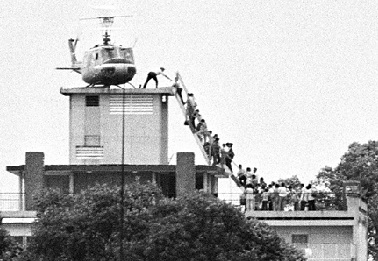
Last helicopter out of Saigon= last train out of Euston.
Thurs: final exam. Spent the morning packing my stuff, almost got everything sorted, but will have to return to do the final bits. Exam was fine: communication skills. Bizarre, really. One scenario: talk to a relative who was upset their father was being discharged from hospital. You have to laugh. I have finished medical school! Got my compulsory photo from hospital courtyard. Returned home, packed car, left London. Drive took several hours longer than expected- thank you, roadworks. I stopped at a service station near Warwick. The number of elderly people, in particular, wandering about in two’s or three’s, not maintaining any sort of social distancing, staggered me. Clearly the messaging is not coming through.
The United States’ approach to a pandemic
Friday, Saturday, Sunday.
Returned home. Dad, my sister, and Tessa, all at our house. Dad’s failure to ever eat the numerous tinned goods he buys emerges as a stroke of genius. We are settled in. Tessa decides to stay for at least a week, as one of her flatmates develops a tickly cough on Sunday morning. If I’m being honest, I can’t say I’m too surprised. There is a sort of carelessness and solipsism to him sometimes, traits decidedly not selected for in a pandemic. I hope he emerges anyway, having said that. I wonder how many other people I know are walking around with infections. I am relatively convinced two of the people I was living with had Covid-19. One had a recurrent cough for two weeks, and the other had URTI symptoms but complained of anosmia and hypogeusia. Have I been exposed? I certainly haven’t had any symptoms, and I’ve been trying to be as safe as possible. Impossible to know without antibody test at this point.
Medical school sent out an email asking us to volunteer. Have signed up, but will wait to hear back from the BMA, as I would rather have the protection of paid work over a trust skimping out. I will not work without proper PPE. However, it seems we have a vast shortage of that. Even though we find ourselves, as a state, at the start of pandemic, I do not believe people have fully cast off the scales from their eyes. This will last for months, and it is all consuming. Nothing will be untouched. I hope this period will reveal the best of human nature, of camaraderie, perhaps a sense of purpose or renewal.
How could this possibly go wrong?Guardian update midway through 10th March
Exams got changed to two days of OSCEs. Lots of emails about adequate hand-washing.
March 11th
Still going ahead with first exam tomorrow. Went to med school to practice OSCE with actors. Seems surreal. No sign of trouble. Streets/tube a little emptier than usual. A few more facemasks seen. Rumours of few Covid-19 cases at the main university campus. No new developments. I got emailed about starting a student placement post-finals in geriatrics (you have to laugh).
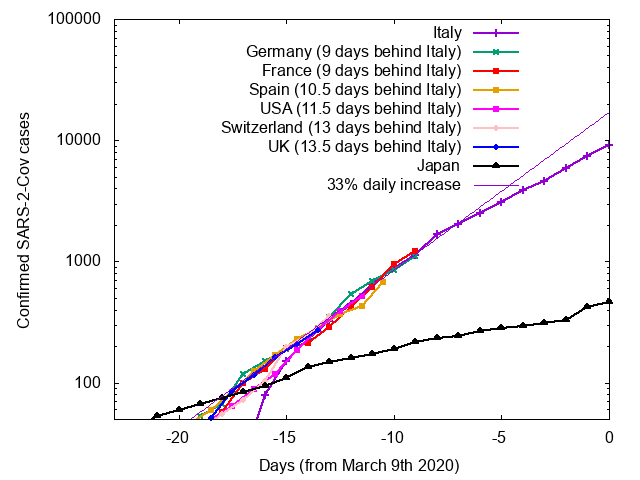
Saw this. Scares the living shit out of me.
I posted on group chat with boys from home. Seem to be taking it well and most trying to work from home. Hard not to try and panic people with how bad the news coming out of Italy is.
“Hey everyone, sorry for the random message out of the blue but I felt it best to warn you about what’s coming in the next few weeks. We are likely to see a massive outbreak of covid-19 here, and that is going to have serious consequences for health and general life. First of all: health. If you’ve got relatives over 60, or those with serious underlying health conditions they need to be prepared to self-quarantine regardless of symptoms very shortly. Judging from what’s happening in Italy, they will not receive treatment if they go to hospital. It is better they avoid getting ill in the first place.
Secondly, in terms of social stuff, please make sure you have a week’s supply of essentials. This is more for convenience- there will be queues rather than short supplies. Wash your hands properly, regularly, and try to avoid touching your face. Hope everyone’s doing well otherwise, much love x”.
“The Italian College of Anesthesia, Analgesia, Resuscitation and Intensive Care just published the most extraordinary medical document I’ve ever seen.
To help people from Germany to America understand what we’re about to face, I am publishing translated extracts here.
[Thread.] Background:
A week ago, Italy had so few cases of corona that it could give each stricken patient high-quality care.
Today, some hospitals are so overwhelmed that they simply cannot treat every patient. They are starting to do wartime triage.
Here’s the guidance for that. “It may be necessary to establish criteria of access to intensive care not just on the basis of clinical appropriateness but inspired by the most consensual criteria regarding distributive justice and the appropriate allocation of limited health resources.” “This scenario is substantially comparable to the field of ‘catastrophe medicine,’ for which ethical reflection has over time stipulated many concrete guidelines for doctors and nurses facing difficult choices.” “In a context of grave shortage of medical resources, the allocation criteria need to guarantee that those patients with the highest chance of therapeutic success will retain access to intensive care.
It’s a matter of giving priority to ‘the highest hope of life and survival.'” Recommendations:
1)
The extraordinary criteria of admission and discharge are flexible and can be adapted in accordance with the local availability of resources.
These criteria apply to all patients in intensive care, not just those infected with CoVid-19. 2)
“Allocation is a very complex and delicate choice. […]
The foreseeable increase in mortality for clinical conditions not linked to the current epidemic due to the reduction of chirurgical activity and the scarcity of resources needs to be taken into consideration.” 3)
“It may become necessary to establish an age limit for access to intensive care.
This is not a value judgments but a way to provide extremely scarce resources to those who have the highest likelihood of survival and could enjoy the largest number of life-years saved.” “This is informed by the principle of maximizing benefits for the largest number.
In case of a total saturation of resources, maintaining the criterion of ‘first come, first served’ would amount to a decision to exclude late-arriving patients from access to intensive care.” 4)
“In addition to age, the presence of comorbidities needs to be carefully evaluated. It is conceivable that what might be a relatively short treatment course in healthier people could be longer and more resource-consuming in the case of older or more fragile patients.” “For patients for whom access to intensive care is judged inappropriate, the decision to posit a ceiling of care nevertheless needs to be explained, communicated, and documented.” I spent many years sitting in seminar rooms thinking about questions of distributive justice.
Let me be honest: It’s left me not one bit wiser about what to do in these kinds of dramatic circumstances. So I don’t don’t mean to pass judgment on the contents of this document. BUT here’s the point I do want everyone to take away from this:
Doctors in America will likely be faced with similarly heartbreaking dilemmas very soon.
But we can avoid that if we:.
* Start engaging in extreme forms of social distancing * Radically expand ICU capacities The moral choices involved in figuring out who gets care when hospitals do not have the resources to treat all critical patients are heart-breaking.
But the moral choices involved in doing what we can today to avert that situation are straightforward.
Cancel everything now. Here is the full document.
(Undoubtedly imperfect) translation of it is by me.
[End.]”
8th patient dead in Britain. Still no public health measures. COBRA meeting tomorrow- I’m worried they’ll do the wrong thing: nothing.
WHO declared a pandemic. Only a little bit late. Financial markets dropping through the floor.
Photos from friends working in GP
12th March
First exam this morning! 3 hour single-best answer paper. Thought it went ok, but in all honesty I didn’t feel that the actual business of medicine was tested often. Lots of questions where the actual best test was not present or there were other complicating factors (which would make it extremely dim for a newly qualified doctor to be making decisions unanimously). Anyway. It’s done now.
Went for lunch with Autumn + her fiance. He works in ICU as a chest physio and has had to shave his beard. I’m hanging onto mine. He mentioned a vent disconnecting during a proning procedure on a patient that it emerged was ?Covid-19, and I just felt so angry at how he was being let down. It remains difficult to get tested, and unsurprisingly, when people in hospital are being tested, we are getting a lot of positives. How it was a good idea to let people off flights from some countries (e.g. Italy in the last week) without forcing them to self-isolate/be tested is beyond me.
Justin Trudeau is self-isolating after his wife returned from a trip to London.
The university cancelled my elective yesterday. This is a period at the end of medical school when you traditionally go abroad to do some work, and have a holiday. I was supposed to be going to New Zealand- I won a scholarship and all! Looks like I’ll have to wait before I get to visit.
I got my allocation for where I’ll be working for the first two years as a doctor- East Anglia. I’m happy- that was my first choice- but I didn’t do particularly well in one of the random psychometric tests all UK medical schools have to do, and as a result it might be difficult to get the jobs I want. I was pretty tired, and angry, and frustrated yesterday. I’ve worked my bollocks off for five years and all the nice things I was looking forward to- Going to NZ! Working in the specialities I wanted!- have been wrecked. I hate the way we do medical school in the UK (I will need to write a longer post on this at some point in the future). I just hope being a real doctor is better.
Spoke to my Dad about what we’ll do with non-Covid patients if hospitals get overwhelmed. Maybe we can create a ACS ambulance and deliver at-home thrombolysis for MI? Will be very challenging. The excess mortality from other non-Covid cases will be so much higher than we’ve seen for decades.
What should happen if you have an MI
Getting my advanced life support qualification looks more and more beneficial by the day.
Are we going to have enough protective equipment? Especially with the way the general public are somewhat overreacting.
The quack will see you now
COBRA meeting seemed solemn but strangely non-committal in some respects. I am hoping they have better, reliable data and models than the public. I guess the proof will be in the pudding.
Guardian summary of the events of the 12th.
March 13th
Friday the 13th! Just everyone’s luck. At this stage, events are quickly outstripping almost everyone’s bandwidth. This pandemic has reached the public consciousness in a big way in the UK, although I do get the feeling there is a greater focus on prepping for food + toilet paper shortages (unlikely) than trying to look after the elderly. All we can do is hope the next few weeks do not overwhelm our already stretched health service.
I worked at uni with Autumn today, before going for a drink with Peter (who’s just qualified as a solicitor!) and then later onto Effra Social Club (I’d never been before) with Javelin. It’s a pub/club based in an old conservative club near Tulse Hill. Really enjoyable setting. Good to see both of them.
March 14th
More working at uni with Autumn. We are both tearing our hair out over the way the medical school is handling this. There are plenty of other students who live with the immunocompromised/high risk groups and still there is an insistent we do these practical exams. I do not believe conditions on Monday morning will be the same as Friday afternoon, and ultimately I think this will prove to be a fool’s errand.
Lots of talk of the GMC rushing our qualifications through to get us working ASAP. Supposedly this has already happened in L’pool. Whilst I feel reasonably happy I could cope with working tomorrow, I am very much uncertain many of my classmates would be.
Met my sister and her new boyfriend for a drink. Have started doing the elbow bump instead of hugs/handshakes. Might as well get used to it. Main topic of discussion is covid-19, as it has become this week. I feel saturated by it.
March 15th
Spoke to Tessa today. It is hard with us being 200 miles away but I am almost used to it now. She has been told it is likely she will be working in hospital ‘zones’ rather than specialities. This echoes what I have heard from various other people.
I am going for a walk with Peter later. Desperately trying to hold onto the last few days.
“When sorrows come, they come not in single spies, but in battalions.”
Claudius, Hamlet, Scene IV, Act V.
Thoughts going forward.
This is the first time in my lifetime I have seen a global crisis before me. It feels like a dream (or perhaps a nightmare). I will be working in this soon, I have no doubt about that. Each day brings a new wave of ill tide upon the beach. One day, in the future I might look back on this time, either in envy or in reminiscence, as the end of the beginning.
Next blog post will focus more on the science and understanding the disease. I intend to keep this diary though, so as to chart the day-to-day.
I am Sam (or, I’m calling myself that). I am a final year medical student in London.
I am going to write about my experiences in medicine, and this seems like the perfect time to get started. After all, there is a pandemic afoot.
The light at the end of the tunnel (is the light of an oncoming train)
This is both a reference to the great Half Man Half Biscuit tune, but also to the oncoming tsunami facing the UK due to Covid-19. My first exam is on Thursday (a 3 hour written paper), and then I am due to have observed structured clinical examinations (OSCEs) for three days next week. I do not think I will be sitting my later exams, as they are supposed to have real patients in, and I believe that the number of cases of Covid-19 over the next week will result in ‘delay’ style public health measures. This is frustrating in some ways- I have done a lot of work for these!- but also, necessary. I have been following this outbreak for a while now, trying to stay abreast of the latest research, and I believe for the UK, the trouble has just started.
I’ve just finished working for five weeks at a central London ICU, and as part of that, I was required to give a presentation. I decided to do it on Covid-19. Whilst I won’t post the entirety of the presentation (it is mostly out of date), I have reviewed my slides and it is with grim humour I reflect on the joy of being a little correct. The main message (and I gave this talk on the 26th Feb) was “When, not if”. Containment in China failed very early on, for a number of reasons, most of which make me angry at the failure of their government. Widespread transmission has been ongoing for a while now. It is likely the UK has several clusters of community transmission, which are unlikely to be seen for a while yet.
The last days of normality
I went for a walk round South-West London (where I am currently living), and I feel it will be the last time for a while where things feel normal. People still go to cafes, wander around, get haircuts, meet up. There are no empty streets, no silent roads, no widespread face masking or social distancing. Perhaps I am wrong, and this will blow over. I can’t convince myself that statement sounds true.
In the heart of darkness, there are no hassle-free Cabinets.
The government’s response has been ok so far, in my opinion. Not too much, not too little. Today’s response (as with Matt Hancock’s response today) has been the first mistake. We are not prepared- we have the lowest per-capita ICU beds in Europe and a large elderly population. The stories coming out of Italy (such as this- https://www.reddit.com/r/medicine/comments/ff8hns/testimony_of_a_surgeon_working_in_bergamo_in_the/) suggests a complete sea change in hospitals, from standard care to effective pandemic HDUs/ICUs. We know from Ebola that as a result, patients with non-Covid-19 problems are more likely to suffer as a result. We will not have enough ventilators for the 15% of Covid-19 patients that require them, and we will not have enough ICU physicians. Global supply chains of essential medications and bits of kit (e.g. cannulas) are likely to be affected. It is going to be chaos. Compared to across the pond though, at least I can be grateful there is some political will to get this under control.
One thing that has been bugging me recently is the testing procedure in the UK- currently, you have to ring NHS 111, go through a load of screening questions, and only then are you assessed. There seems to be an obsession with recent travel, which makes NO sense given that we know there is community spread. We need to be making testing kits more widely available, and allowing front-door clinicians (e.g. GPs) to make decisions based on their clinical expertise. Until that happens, the cases will only slightly rise. As soon as we start testing more widely, expect a big increase in the number of cases.
Wrong wrong wrong wrong, wrong wrong wrong wrongIt could always be worse.
Learning from the past
I suppose the most prominent feature of this pandemic is how out of the blue it might appear. I don’t think that is necessarily true. 1918 seems to be the touchstone for this sort of pandemic event, but the reality is that zoonoses usually arrive with a bang. They have been doing this for most of human history, and will probably continue to do so in the future. I am interested in how clinical practice will change as a result- when SARS-1 arrived, subtle changes came after- such as the use of closed circuit ventilator suction. How will Covid-19 alter how we practice medicine?
My thoughts on the future
Leaked footage of me three weeks in the future
“There are decades where nothing happens, and weeks where decades happen.” Lenin
Here we are, on the 9th of March 2020. This is the last week things will feel normal for a very long time. I expect to be pitched into strained hospitals at the earliest opportunity, and I expect to see a vast number of deaths. Among these are likely to be some of my friends and colleagues. I expect a worldwide downturn, and for several countries to enter recessions. I expect to hear tales of brave clinicians trying to do their best for patients in over-stretched and crumbling hospitals. I do not think this will be over in a week or a month. I would be happy if we got the autumn with a degree of control. I intend to update this blog with posts on developments, understanding, or my experiences. If anyone reads this, look after yourself and your loved ones, and prepare for the worst. Oh, and let me know if you’ve got any opinions!
What I’m reading and listening to:
Fiction: re-reading one of my favourites: The Sound and The Fury by William Faulkner. Non-fiction: Iron Kingdom: The Rise and Fall of Prussia, 1600-1947- Christopher Clark. Music I’ve been listening to recently: Half Man Half Biscuit- Took Problem Chimp To Ideal Home Show.
My name is Sam. I am a final year medical student in London, and I am due to qualify as a doctor later this year (2020). I started this blog because I wanted to write (and hopefully talk to others!) about the subjects I am passionate about: clinical medicine, basic science, technology, systems, and their interactions.
I won’t post on here that regularly but I do intend to try and keep this updated at least once a month.


![Keeping immunology (even more) relevant [High Yield Shitpost]](https://i.imgur.com/PvQ4NBQ.jpg)